What Leather Is Best for Tooling and Carving?
Vegetable tanned leather is the only hide that holds a tooled impression. Learn which weight and grade to buy, what to avoid, and how to get started.
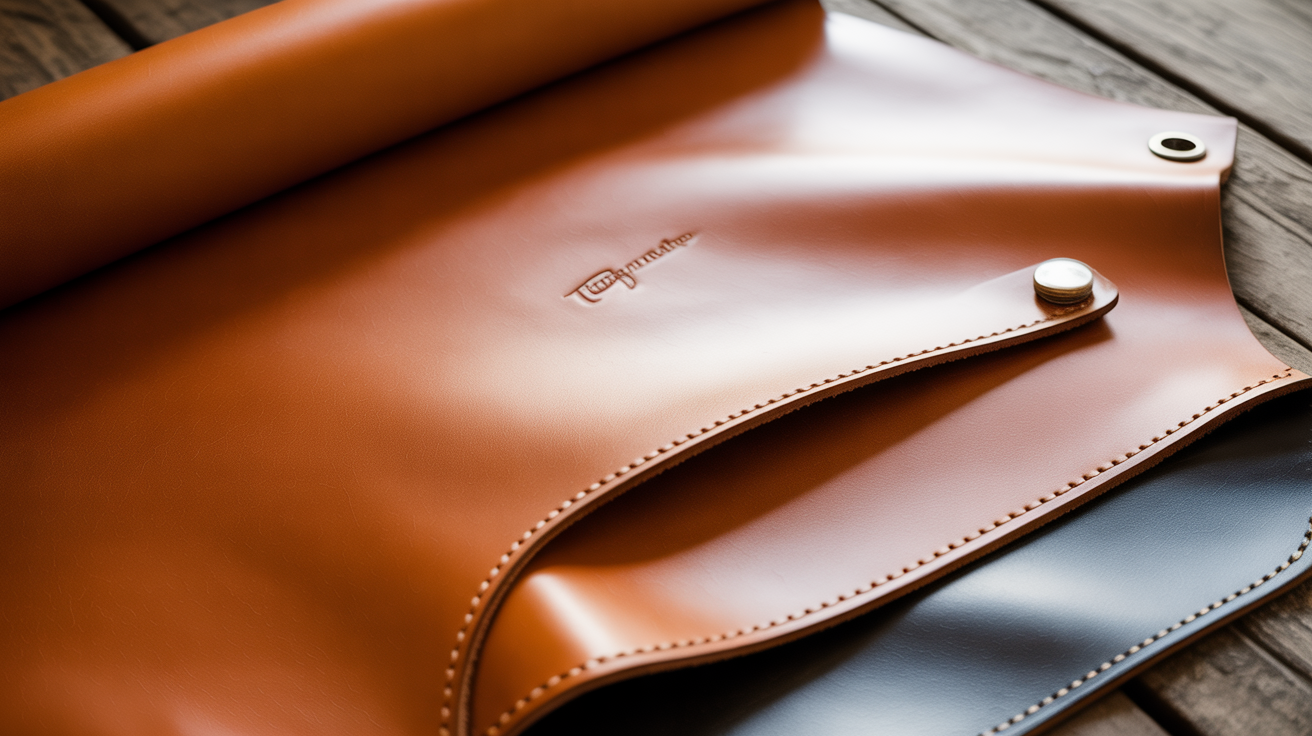
The short answer: vegetable tanned cowhide, also called veg tan. No other leather type accepts a clean stamp or carving line. If you pick up a piece of chrome-tanned hide and press a swivel knife into it, the surface closes back up the moment you lift the blade. Veg tan stays open. That single chemical difference is why every tooled belt, saddle, and wallet you have ever admired starts with the same material.
This guide walks through why veg tan works, what to look for when buying it, which weights suit different projects, and how to avoid the most common beginner purchasing mistakes.
Why Vegetable Tanned Leather Is the Only Real Option
Leather is tanned to stop the raw hide from rotting and to give it useful properties. The two main commercial methods are chrome tanning (fast, soft, colorful) and vegetable tanning (slow, firm, reactive).
Chrome-tanned leather accounts for the majority of leather sold worldwide. It is excellent for garments, bags, and upholstery. It is useless for tooling. The chromium salts that tan it produce a hide with tight, stable fibers that resist compression. When you try to stamp chrome-tanned leather, the fibers spring back. Any impression you manage to make fades within hours.
Vegetable tanned leather uses plant-based tannins, traditionally from oak bark or mimosa. These tannins bind to the collagen fibers differently, creating a denser, more structured hide that responds to moisture. When you wet-case veg tan (dampen the surface until it turns a slightly darker shade and feels cool), the fibers become temporarily pliable. Press a stamp or carve a line, and as the leather dries, those fibers lock in place permanently. The impression stays.
For a full walkthrough of the dampening process, see how to wet-case leather for tooling.
Choosing the Right Weight
Leather weight is measured in ounces per square foot in the US (1 oz = approximately 0.4 mm thick). For tooling projects, the weight you need depends on what you are making.
| Weight | Thickness | Best For |
|---|---|---|
| 3-4 oz | 1.2-1.6 mm | Card holders, bookmarks, journal covers |
| 4-5 oz | 1.6-2.0 mm | Wallets, small bags, wristbands |
| 7-8 oz | 2.8-3.2 mm | Belts, holsters, wider cuffs |
| 9-10 oz | 3.6-4.0 mm | Thick belts, straps, boot work |
Beginners often start with 4-5 oz because it is thin enough to cut and stitch by hand but substantial enough that stamps read clearly. Very thin leather (under 3 oz) is harder to wet-case evenly and can over-moisten quickly. Very thick leather (over 10 oz) requires more force to stamp and a sturdy work surface.
What Grade to Buy
Most suppliers sell tooling leather in grades. The exact labeling varies by vendor, but the pattern is consistent.
Craftsman or utility grade has minor surface marks, healed scars, and small wrinkles from the animal's life. These imperfections do not affect structural quality, and for most projects they land outside the piece you actually cut. This is the sensible choice for practice and first projects.
Select or premium grade has a clean, consistent surface with minimal blemishes. Worth the extra cost when you are making a gift, entering a competition, or building a project where the tooling fills a large, uninterrupted panel.
Avoid any leather sold without a clear description of tanning method. If a listing just says "genuine leather" without specifying veg tan, assume it is not suitable for tooling.
Sourcing Options for Beginners
You do not need a specialty shop, but you do need to buy from a supplier who labels their stock honestly.
Online leather suppliers generally offer the widest selection of weights and grades. Most ship cut pieces called "sides" (half a hide) or smaller "bellies" and "bends." A belly is from the underside of the animal and has natural stretch, which makes it less ideal for tooling than the firm back section called the bend. If budget allows, buy from the bend.
Local craft and saddle shops let you feel the leather before buying. Press a fingernail firmly into the surface. On good tooling leather, you will see a faint impression. That quick test tells you more than any product description.
Big-box hobby stores sometimes sell tooling leather kits. The quality is adequate for a first project. The weight and grade are not always disclosed, so results can vary.
What to Avoid
A few materials get sold alongside real tooling leather but do not perform the same way.
Suede and nubuck have a buffed surface that will not hold a stamped impression cleanly. The fibers are already disrupted.
Bonded leather is reconstituted leather scraps glued to a fiber backing. It looks like leather, but the surface has no real fiber structure. Stamps leave marks that crumble or flake.
Chrome-tanned cowhide sold as tooling leather does exist. Some suppliers offer lightly chrome-tanned hides that have been re-tanned with vegetable tannins. These "combination tanned" hides take a stamp better than pure chrome tan but not as cleanly as proper veg tan. If you see the phrase "chrome re-tanned" or "semi-veg," expect softer impressions.
Pigskin and exotics like snake and stingray have interesting textures but inconsistent tooling results due to their grain structure. Stick to cowhide until you have a feel for how moisture and stamping interact.
Getting Started with Your First Tooling Project
Once you have your leather, the only other requirements to start are a swivel knife, a couple of stamps, a mallet, and a firm work surface like a granite slab or a thick rubber mat. A marble pastry board from a kitchen store works well and costs less than a dedicated poundo board.
If you are unsure which stamps to buy first, beginner leather stamping tools and how to use them covers the tools that give you the most range without filling a toolbox.
The actual technique for transferring a pattern and working through a design is covered step by step in how to tool leather: a beginner's guide to stamping.
The leather itself will teach you a lot. On the first piece, pay attention to how the surface feels at different moisture levels. Too wet and stamps blur. Too dry and they barely mark. The right window is narrower than you expect at first, but after a few sessions it becomes easy to read.
Frequently Asked Questions
Can I tool leather I already have at home?
Only if it is vegetable tanned. Check the tag or any documentation that came with it. If you cannot verify the tanning method, do a fingernail test on a corner. No visible impression means it is probably chrome tanned and will not tool well.
Is there a difference between tooling leather and carving leather?
Not really. Both terms describe the same material: firm, veg-tanned cowhide. Some suppliers use "carving leather" to suggest a slightly firmer or heavier cut, but there is no industry standard behind the label. Weight and grade matter more than the name on the bag.
How thick should my leather be for a stamped wallet?
4 to 5 oz is the most practical range for a bifold or card wallet. The exterior panels tool cleanly at that weight, and the finished piece stays flat without being stiff. If you plan to line the wallet with a thinner piece of chrome-tan for a softer interior, the exterior can go up to 6 oz without the wallet feeling bulky.
Can I use tooling leather for projects I do not plan to tool?
Yes. Veg tan is excellent for any project where you want a leather that develops a patina over time, takes dye evenly, and burnishes to a smooth edge. Many crafters use it for wallets, belts, and bags without any stamping at all. The main trade-off is that it starts stiffer than chrome tan and takes some break-in time.
Does the brand of leather matter for beginners?
Supplier reputation matters more than brand name. Look for suppliers who disclose the tannage, the weight range, and the part of the hide. Hermann Oak, Wickett and Craig, and Springfield Leather are names that come up consistently in leatherworking communities, but regional tanneries and independent suppliers can produce equally good material. Buy a small piece before committing to a full side.