How to Antique Leather for a Worn, Vintage Look
Learn how to antique leather at home using gel, dye, and layering techniques that give any piece a genuine worn, vintage finish.
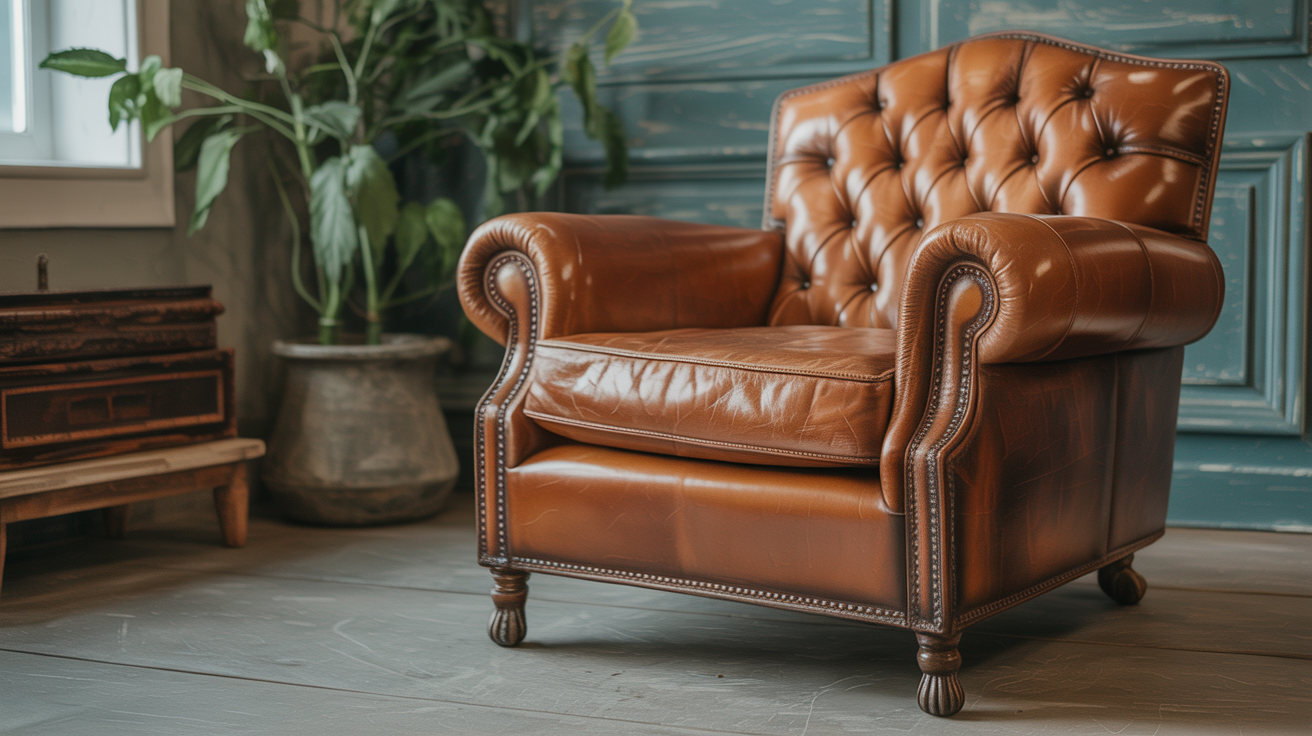
Antiquing leather means building up color in the recesses of tooled, carved, or textured surfaces so the raised areas stay lighter and the low spots look darker and aged. On a plain vegetable-tanned surface you can get a similar effect by working dye into the grain unevenly and then buffing most of it off the top. Either way, you end up with a piece that looks like it has decades of history behind it. The technique is forgiving, adjustable, and gives genuinely better results than factory distressing on most budget goods.
Before anything else: test on scrap. Antiquing is easy to push further; nearly impossible to undo.
At a Glance
- Antiquing builds contrast: dark gel or dye stays trapped in recesses while you buff it off the raised, high-touch areas.
- Vegetable-tanned leather takes antiquing gel far better than chrome-tan, which resists it and buffs off too evenly.
- Apply in thin layers, buffing between each, rather than one heavy coat. Two or three thin passes look more natural.
- Medium-tone browns and tans show the effect best; very dark leather has too little contrast to reveal it.
- Seal the finish with a diluted acrylic (Resolene) or a carnauba wax paste once you're happy with the result.
- Work near ventilation. Antique gels and the acetone/deglazer used to strip old finishes both give off solvent fumes.
What You Need Before You Start
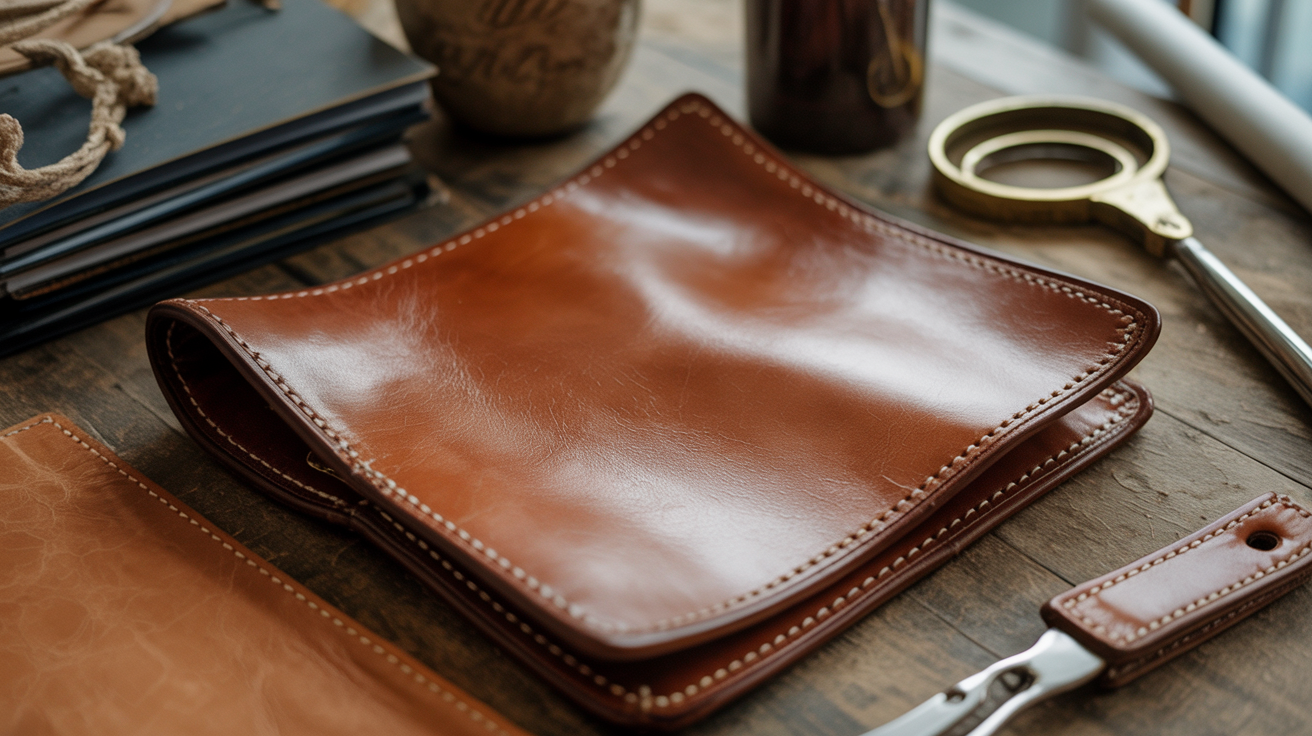
You do not need a full finishing kit. A basic antiquing setup is:
- Veg-tan leather (or already-dyed leather you want to distress further). Chrome-tan resists antiquing gels because it absorbs unevenly.
- Antique gel or antiquing paste (Fiebing's Antique Finish and Leather Wax are widely available; Eco-Flo Antique Gel works similarly)
- Applicator - a dauber, small brush, or folded scrap of sheepskin
- Soft cloth or sheepskin for buffing
- Neatsfoot oil or leather conditioner (optional, applied beforehand to control absorption)
- Resolene or acrylic finish to seal when done
Good ventilation matters. Antique gels contain solvents that smell strong in a closed room, and the same is true of the acetone or deglazer you'd use to strip an old finish before re-antiquing a piece. Craft solvents and finishes are a recognized source of indoor volatile organic compounds, and the guidance for working with them is simple: increase ventilation whenever you're using a product that emits them. Work near an open window or outside.
Surface Prep: The Step Most Beginners Skip
Antiquing gel sits in the recesses of the leather's texture. If the surface is greasy, dusty, or heavily conditioned, the gel beads up instead of soaking in.
Wipe the piece with a barely damp cloth and let it dry fully. If you are working on a freshly cased and tooled piece, let it dry to the same color it was before casing. On a previously finished piece, use a deglazer or acetone on a cotton ball to remove old coats. You do not need to strip to bare leather, just break the surface so the gel can grip.
If you want a subtler result, pre-condition the leather lightly with neatsfoot oil and let it absorb for an hour. This gives the gel less raw leather to bite into and produces a softer, more muted antiquing effect. Keep this pre-conditioning step light, though: the National Park Service's leather conservation guidance warns that repeated or heavy oiling of leather over time can cause "fatty acid spew," a waxy bloom on the surface that "can never be removed fully and safely" once it develops. A single light coat for a specific effect on a project piece is a different situation from years of repeated dressing on a collection item, but it's a good reminder that more oil is not automatically better, here or anywhere else in leatherwork.
Applying Antique Gel
Scoop a small amount of gel onto your dauber or applicator. Work it into the leather in circular motions, pressing it into any tooled grooves, stamped impressions, or textured areas. Cover the whole surface rather than working in sections, or you risk lap marks where one application dries before the next begins.
Let it sit for two to four minutes. Check the manufacturer's guidance, but the window is usually short. The gel should look hazy on the surface rather than wet and shiny.
Now buff off the excess. Use a clean, dry sheepskin or a coarse cloth and rub firmly over the raised areas. The goal is to remove the gel from the high points while leaving it packed into the low spots. The contrast between the buffed highlights and the dark recesses is where the aged look comes from.
One pass rarely gives a dramatic result. Build it up. Apply a second coat, buff again, and compare to your scrap. Three or four thin coats layered this way look more natural than one heavy application, and each pass gives you a checkpoint to stop before the effect goes further than you wanted.
Color choices: Brown antique gels on natural tan leather read as genuine aged patina. Black gel on mid-brown leather looks like decades of saddle soap and grime. Mahogany gel on tooled floral work gives a rich Victorian feel. Mix gels from the same brand if you want a custom tone.
| Color Combination | Resulting Look | Best Match |
|---|---|---|
| Brown gel on natural tan | Classic aged patina | Everyday goods: belts, wallets, bags |
| Black gel on mid-brown | Old saddle soap and grime | Western tooling, holsters |
| Mahogany gel on tooled floral | Rich Victorian depth | Decorative floral or Sheridan-style pieces |
| Grey-brown gel on pale veg-tan | Weathered, driftwood tone | Rustic or coastal-style accessories |
Dry Antiquing with Dye (No Gel Required)
If you do not have antique gel on hand, you can fake a similar effect with leather dye you already own.
Thin the dye about 50/50 with alcohol or the appropriate solvent. Dab it on with a brush, working it into the surface unevenly. Before it dries completely, wipe back the high spots with a cloth barely dampened with the same solvent. This pulls most of the color off the raised grain while the dye settles into pores and crevices.
This method is less forgiving than gel because the dye penetrates fast. Have your wiping cloth ready before you start, and work small areas at a time. It pairs well with pieces you are learning to dye leather for the first time.
Sealing the Finish
Antiquing gel left unprotected rubs off onto hands and fabric. Seal it.
Resolene diluted 50/50 with water is a standard top coat. Apply it thin with a dauber or brush. Let the first coat dry, then add a second. The finish should feel smooth and slightly firm, not sticky.
For a more matte, natural look, a coat of carnauba wax paste buffed out works well. It adds some sheen but stays softer than acrylic and gives a hand-rubbed feel.
Edges deserve attention too. After the main surface is sealed, clean up the edges and run them through your edge burnishing process before the final wax coat so the burnishing compound bonds to bare or lightly conditioned leather rather than a sealed surface.
Antique Finish Comparison Table
| Method | Best For | Difficulty | Reversible? |
|---|---|---|---|
| Antique gel (commercial) | Tooled surfaces, clear recesses | Low | No, but can layer |
| Thinned dye wipe-back | Smooth surfaces, subtle effect | Medium | No |
| Neatsfoot + gel (pre-conditioned) | Softer, muted aging look | Low | No |
| Wax antique paste | Flat surfaces, light distressing | Low | Partly (with deglazer) |
Frequently Asked Questions
Can I antique leather that has already been dyed a dark color?
You can, but the contrast will be minimal on very dark leather. Antiquing works by building darker material into recesses so it reads against lighter high points. If the base color is already dark brown or black, the effect gets lost. On medium-tone browns or tans the result is strongest.
My antique gel dried too fast and left streaks. What happened?
Warm temperatures and dry air speed up gel drying significantly. Try working in smaller sections, or thin the gel very slightly with a drop of neatsfoot oil to slow it down. You can also dampen the leather surface with a barely misted cloth before applying the gel, which gives you a slightly longer working window.
Do I need to edge-finish before or after antiquing?
Finish the main surface first, then do edges last. Antique gel can drip onto edges and stain them unevenly. Once the surface is antiqued and sealed, edge-finish and burnish. If you use Tokonole or gum tragacanth for edge slicking, apply those before the final top coat on the body so the slicker bonds to the edge leather rather than the sealed surface.
How do I remove antique gel if I hate the result?
On freshly applied gel that has not fully cured, a cloth dampened with the appropriate solvent (alcohol for spirit-based gels, water for water-based) can pull some back out. Once cured, you are mostly committed. A deglazer can strip the top coat and some of the gel, but it rarely returns the leather to its original state. This is why the scrap-first rule matters more for antiquing than for almost any other finishing step.
Will antiquing work on chrome-tanned leather?
Technically yes, but results are inconsistent. Vegetable-tanned leather is comparatively rigid and open-pored, which is exactly the structure that lets gel settle into recesses and stay put; chrome tanning produces a much more flexible, stretch-oriented leather built for garments and handbags rather than for holding a worked finish. If you only have chrome-tanned leather, use a very thin tinted dye approach and expect a subtler effect. For strong tooled antiquing, veg-tan is the right material.
How long should I wait between antiquing and sealing?
Let the final buffed coat sit for at least an hour before sealing, longer in humid conditions. Sealing over gel that hasn't fully set traps solvent underneath the topcoat, which can leave the finish feeling slightly soft or tacky for days afterward. If you're not sure it's ready, press a clean fingertip to an inconspicuous spot; if any color transfers, give it more time.
Can I antique a piece that already has a topcoat on it?
Not directly. Antique gel needs to grip bare or lightly conditioned leather to settle into the recesses properly, and a sealed surface mostly blocks that. Strip the existing topcoat with a deglazer first, confirm on a test corner that you've broken through to leather rather than just softened the finish, then proceed with antiquing as usual.