Hand Stitching vs a Sewing Machine: Which Should Beginners Learn First
Should beginners learn hand stitching or buy a leather sewing machine first? Compare cost, learning curve, seam strength, and thickness limits.
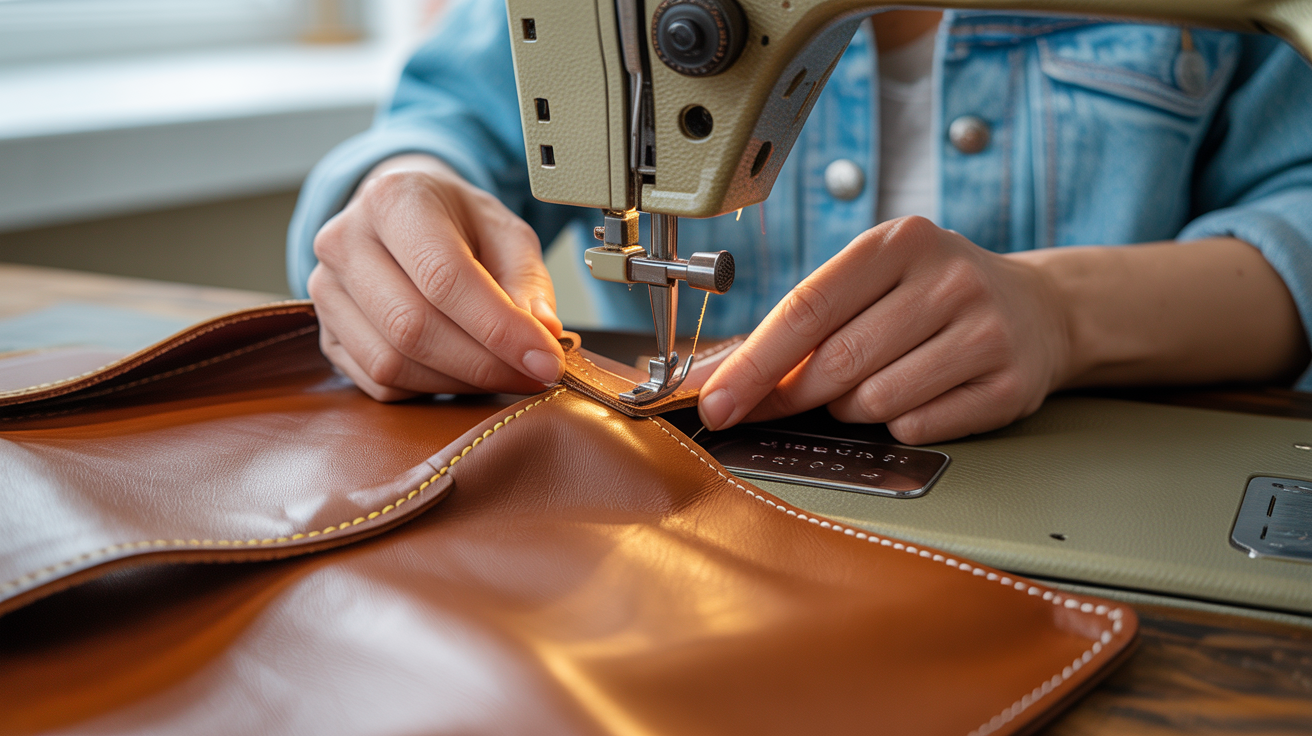
If you're standing at the start of leatherworking with a stack of tutorials open in different tabs, the hand stitching vs sewing machine leather question is probably the first real decision you'll have to make, and it's a more expensive one than picking a knife or a cutting mat. One path costs you an afternoon and maybe forty dollars. The other can run into four figures before you've sewn a single seam that satisfies you. Neither answer is wrong, but they aren't equally good starting points, and the difference matters more than most beginner guides let on.
Hand Stitching vs a Leather Sewing Machine: The Upfront Cost
Hand stitching gear is cheap enough that you can buy it without much thought. A basic diamond awl, a couple of needles, a spool of waxed thread, and something to hold your work (a stitching pony you build from scrap wood works fine) will run you well under a hundred dollars total. Add a set of pricking irons or stitching chisels and you're still nowhere near what a machine costs.
A leather sewing machine for beginners is a different animal. The cheap flatbed machines sold as "leather capable" often struggle the moment you feed them anything past two or three ounces of vegetable tanned hide, and the machines that actually handle real leather work (walking foot machines, cylinder arms, patchers) start in the hundreds of dollars for used, worn equipment and climb from there. A machine that will sew a wallet, a belt, and a bag without complaint is a serious investment, and buying one before you know what you actually want to make is how a lot of beginners end up with an expensive doorstop in the garage.
The Learning Curve: What Each One Actually Asks of You
Hand stitching has a learning curve, but it's a forgiving one. Your first few seams will be uneven, your tension will wander, and you'll probably catch a finger with the awl once or twice. None of that ruins the leather. You pull the thread back out and try again. Within a few projects, most people can produce a saddle stitch that's tight, even, and holds up to real use. The skill lives almost entirely in your hands, so it travels with you. Once you know how to hand stitch leather using the saddle stitch, you have a baseline you can rely on with any hide, for the rest of your leatherworking life.
A machine has a different kind of learning curve. Threading it correctly, setting tension for the specific leather and thread you're using, and troubleshooting skipped stitches or thread breaks is a skill of its own, separate from leatherworking itself. You're learning to operate a piece of machinery, not just to sew, and every time you switch leather weight or thread size you may need to readjust the whole setup. That's not a reason to avoid a machine forever. It's a reason not to make it your first stop.
What the Seams Actually Look Like and Hold Like
A hand stitched seam uses two needles and one length of thread, with each stitch locking against the next in what's called the saddle stitch. If one stitch fails, the ones next to it don't unravel, because each is independently locked. A machine stitch uses a single thread on top locked to a bobbin thread underneath, and if that lockstitch gets cut or a thread breaks partway down a seam, you can lose a run of stitches before you even notice.
For something like a wallet or a belt that takes daily wear and the occasional scuff against a knife edge or a car door, that difference in failure mode isn't just theoretical. A lot of experienced makers have seen a machine stitched seam start unraveling from one cut thread, and they've rarely seen that happen with a proper saddle stitch. Hand stitched work also tends to sit slightly proud of the leather surface in a way that reads, to most people's eyes, as a mark of quality. Machine stitching looks clean and consistent, and for high volume production that consistency is the whole point, but it doesn't carry the same look on a single handmade piece.
Where Machines Hit a Wall: Thick Veg Tan and Tight Corners
This is where the decision often makes itself. Most home and hobbyist sewing machines, even ones marketed toward leather, aren't built to punch through thick vegetable tanned leather. Once you get past four or five ounces, especially where two layers overlap at a seam, a lot of machines start skipping stitches, breaking needles, or stalling outright. Industrial walking foot machines can handle it, but those are bigger, louder, and more expensive again, well past what a beginner typically wants to spend.
Hand stitching has no such ceiling. An awl and a firm hand will get through leather a machine can't touch, and tight corners, curves, and small components such as card slots, gussets, or narrow straps are often easier to maneuver by hand than to feed through a machine's throat plate. If your early projects include anything structural, thick, or tightly shaped, hand stitching is simply the more capable tool for the job at the beginner stage.
Why Most Experienced Makers Say Learn Hand Stitching First
Ask around in leatherworking circles and you'll hear the same advice often enough that it's worth taking seriously: learn to hand stitch before you buy a machine, even if a machine is where you eventually want to end up. A few reasons keep coming up.
Hand stitching teaches you what a good seam is supposed to look and feel like, so when you do get a machine, you'll actually notice when its stitching is falling short. It also doesn't lock you into a leather weight or project type before you've figured out what you enjoy making. The tool investment is small enough that a wrong turn costs you an evening, not a few hundred dollars. And practically, a stitching pony and a handful of irons take up a drawer, while a machine needs a permanent spot on a bench.
None of that means machines are a mistake. Plenty of makers who sell leather goods at real volume eventually add one, because hand stitching thirty identical wallets a week isn't a sustainable way to run a shop. But that's a problem for later, once you know your projects, your preferred leather weight, and your patience for repetitive work. Buying a machine before you've sewn ten seams by hand skips the part where you learn what stitching is actually doing to the leather in the first place.
A Simple Decision Checklist
Run through this before you spend money either way.
| Question | Leans hand stitching | Leans a machine |
|---|---|---|
| Budget for stitching gear right now | Under 100 dollars | A few hundred dollars or more |
| Weekly time available | An hour or two, in short sessions | Several hours, in one sitting |
| Project type | Wallets, small goods, thick veg tan, single pieces | Repeated identical items, thinner garment leather |
| Prior sewing or machine experience | None needed | Helpful, shortens the learning curve |
| Goal right now | Learn the craft, build a skill you keep forever | Produce volume once the craft is already familiar |
If you land mostly in the first column, start with an awl, a pricking iron or two, and some thread. If you're already selling similar items in quantity and you understand how a saddle stitch is supposed to look, a machine starts to make more sense. Almost nobody starting out lands honestly in the second column, and that's fine. It isn't a lesser path. It's the one that teaches you the most per dollar spent.
If you haven't settled on tools yet, it helps to read through what beginner leatherworking tools actually matter and what you can skip before buying anything, and to compare pricking irons against stitching chisels so your first stitching tool matches the projects you actually want to make.
Frequently Asked Questions
Can I switch from hand stitching to a machine later without wasting my early investment?
Yes. A stitching pony, awl, and irons stay useful even after you own a machine. Most makers keep hand stitching in the mix for repairs, small components, and thick leather a machine won't handle, so the early gear rarely goes to waste.
Is a cheap sewing machine good enough to start with leather?
Most inexpensive home machines struggle past two or three ounces of leather and were never designed for the sustained puncture force leather needs. You can experiment with thin garment leather on one, but don't expect it to handle wallets, belts, or bags in heavier hide.
How long does it take to get good at hand stitching?
Most beginners produce a passable saddle stitch within their first two or three projects and a genuinely tight, even seam within ten to twenty hours of practice. It's closer to learning to write neatly than to mastering a complex technique.
Do professional leatherworkers use hand stitching or machines?
Both, depending on the piece. Many use machines for production runs and reserve hand stitching for premium items, repairs, or parts a machine can't reach. Some high end makers hand stitch everything as the whole point of the work.
What if my budget only allows one option and I want to make bags eventually?
Start with hand stitching gear. It costs less, and bags often include thick seams, gussets, and tight corners in the early construction stages that hand stitching handles more easily than a beginner machine setup, even if you switch to a machine for long straight seams later on.