How to Store Leather and Keep It in Good Condition
Learn how to store leather hides and offcuts so they stay supple, avoid drying out, and remain project-ready for months or years.
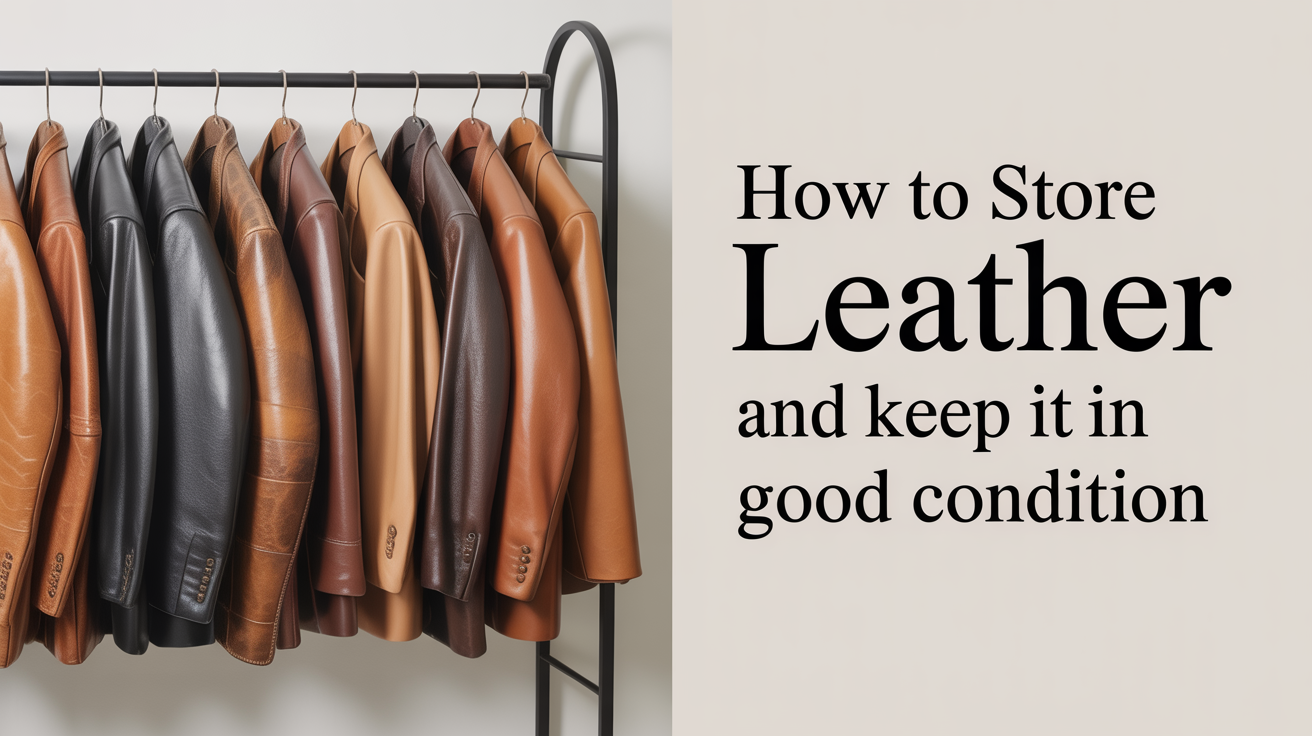
Leather stored badly ages badly. Hides left in direct sun crack; offcuts bunched in a plastic bin get mold; rolls stacked under weight develop permanent creases. The good news is that proper storage costs almost nothing extra. A few habits in the first week you bring leather home will keep it workable for years.
Why Storage Conditions Matter
Leather is a natural material that responds to its environment. It absorbs and releases moisture depending on humidity, expands and contracts with temperature, and loses its surface oils over time if left exposed. Once leather dries out past a certain point, no amount of conditioner brings it fully back. The grain may crack, the fibers stiffen, and cuts become ragged where they would have been clean before.
Vegetable-tanned leather is particularly sensitive. Its tannins make it responsive to water and light, so it can darken unevenly or dry out faster than chrome-tanned hides in poor conditions. Chrome-tanned leather is more forgiving but still dries out and can develop surface mold in humid environments.
The Core Storage Rules
Temperature and Humidity
Leather stores best between 60°F and 75°F (15°C to 24°C) at around 45 to 55 percent relative humidity. You do not need a climate-controlled room for small amounts, but avoid:
- Attics, which swing from very hot in summer to cold and dry in winter
- Basements that flood or stay damp, which encourage mold growth
- Spots near heating vents or radiators, which dry the air aggressively
- Uninsulated garages that see freezing temperatures
A spare closet on an interior wall works well for most hobbyists. If you live somewhere humid, a small dehumidifier or silica gel packs near the storage area help. If the climate is dry, keep a dish of water nearby or mist the air occasionally.
Light and UV Exposure
UV light fades dye, bleaches natural undyed leather, and accelerates the breakdown of oils in the hide. Store leather away from windows. If a shelf is visible from a window, cover the leather with a cloth or use a cabinet with doors. This applies to finished goods as well as raw hides.
Air Circulation vs. Sealed Containers
Leather needs to breathe. Sealing it in an airtight plastic bag or tightly lidded bin traps any residual moisture and creates ideal conditions for mold, especially in humid climates. Instead, wrap hides loosely in brown craft paper or unbleached cotton muslin. Both allow airflow while blocking dust and light.
Avoid:
- Plastic bags (traps moisture)
- Newspaper (newsprint ink can transfer to the grain side)
- Rubber bands around rolls (leave marks and can dry the leather at contact points)
Storing Hides and Large Pieces
Full hides or shoulders are large enough that how you position them matters. Rolling is usually better than folding for long-term storage.
- Rolling: Grain side out, rolled around a tube (a cardboard mailing tube or PVC pipe works). Wrap the outside loosely in craft paper and secure with cotton twine. Do not roll tightly; a gentle roll keeps the fiber structure relaxed.
- Flat storage: If you have a flat drawer or shelf wide enough, lay the hide flat with nothing heavy on top. Stack multiple hides grain-to-grain with a sheet of craft paper between each layer.
- Hanging: Some leatherworkers hang larger hides over a padded dowel. This works well for long-term storage but make sure the dowel is wide enough (at least two inches in diameter) to avoid a sharp crease at the top edge.
When choosing your initial hide, understanding how different parts of the hide behave will also inform how you should roll or fold it, since belly sections are looser and more prone to creasing than shoulders.
Storing Offcuts and Scraps
Offcuts are where storage habits tend to slip. It is tempting to throw them in a box and deal with them later. A few months of that and the box is a tangled, dusty mess with dried-out edges.
A simple system:
| Container type | Best for | Notes |
|---|---|---|
| Flat file drawers | Pieces larger than a palm | Stack flat, no rolling |
| Shallow open bins | Medium offcuts by color/type | Leave tops open or cover loosely |
| Small zip bags (unsealed) | Tiny scraps | Leave zipper open an inch |
| Labeled kraft envelopes | Small samples by tannage | Easy to flip through |
Sort by thickness or tannage if you have both vegetable-tanned and chrome-tanned pieces. This saves time later and prevents you from accidentally grabbing the wrong material. If you are not yet sure about the differences, understanding leather weights and thicknesses will help you build a labeling system that actually makes sense.
Conditioning Before and During Storage
Leather that goes into storage well-conditioned stays in better shape than dry leather sitting on a shelf for months. Before storing any hide you do not plan to use soon, apply a thin coat of a neutral leather conditioner, beeswax-based balm, or neatsfoot oil. Work it in with a soft cloth, let it absorb for an hour, then buff off any excess.
You do not need to condition frequently during storage. In a stable environment, checking every three to six months is enough. If the leather feels stiff or the surface looks chalky, condition it before returning it to storage. If you see white bloom on the surface, that is usually dried fat or salt migrating out of the hide, not mold. Wipe it with a barely damp cloth and condition after.
Mold looks different: it is fuzzy, green, black, or white with a powdery texture that spreads. A small mold spot can be wiped off with a cloth dampened with isopropyl alcohol (test on a hidden area first), then allowed to dry fully before conditioning. Significant mold means the storage environment is too humid and needs to change.
Frequently Asked Questions
How long can leather be stored before it goes bad? Leather stored in stable conditions can last decades. The main risks are drying out (from heat or low humidity), mold (from high humidity), and UV damage. A cool, dark, well-ventilated space with occasional conditioning can keep hides usable for many years.
Can I store leather in a plastic tote? Yes, if you leave the lid ajar or drill a few small holes for airflow. A completely sealed tote is a mold trap. Wrap the leather in craft paper first and avoid packing it tightly.
Do I need to condition leather before storing it? It helps, but it is not always required. If the hide already feels supple and you are storing it for just a few months in good conditions, you can skip it. For long-term storage or hides that feel stiff, a light conditioning coat is a good precaution.
What is the white residue that appears on stored leather? Usually bloom, which is fat or wax migrating to the surface as the leather adjusts to temperature changes. It is harmless. Wipe it off with a dry or barely damp cloth. If the residue is fuzzy or spreads, treat it as mold instead.
Should I store vegetable-tanned and chrome-tanned leather separately? There is no chemical reason to keep them apart, but labeling them separately makes sense. They have different care needs and behave differently in use, so knowing which is which at a glance saves frustration when you are mid-project.