How to Condition and Protect Leather with Neatsfoot Oil
Learn how to apply neatsfoot oil to leather without over-darkening or softening it, the right amount, timing, and leathers to avoid.
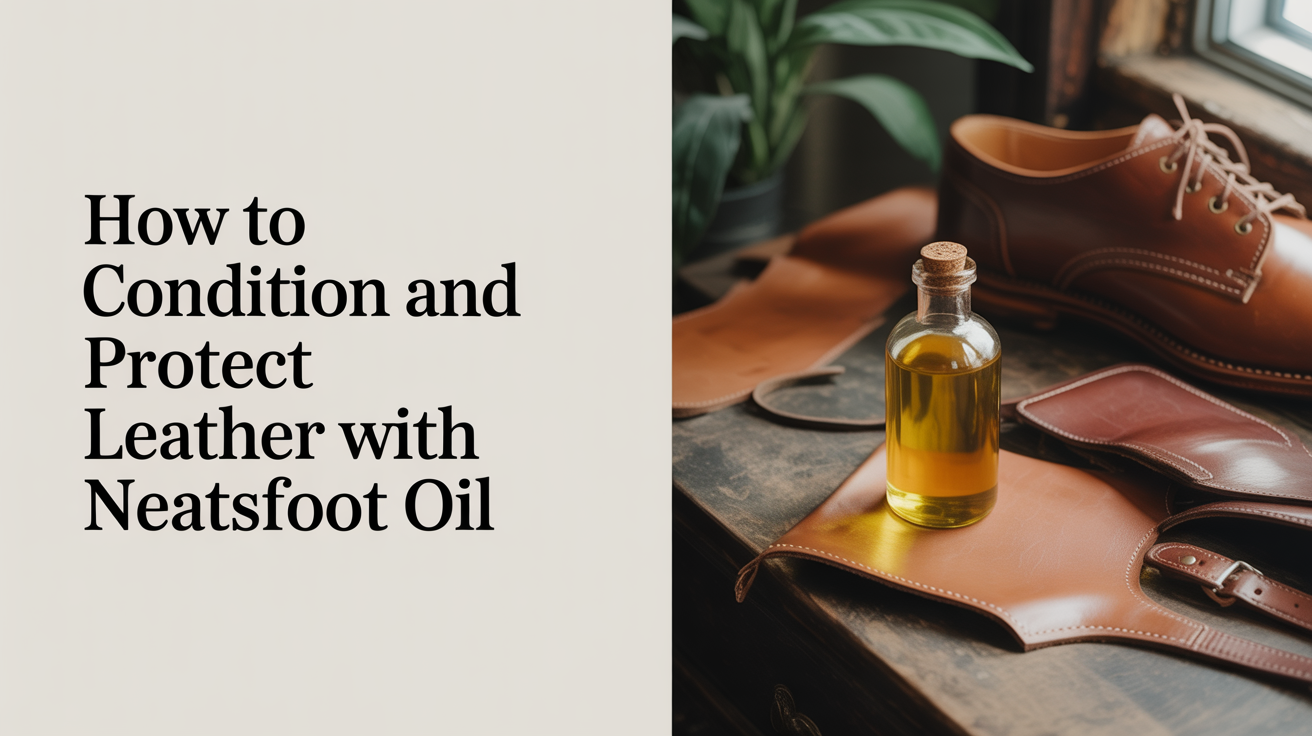
Neatsfoot oil has been used to condition leather for centuries, and for good reason: it penetrates deeply, restores suppleness, and keeps finished projects from cracking over time. But beginners often run into trouble with it. A little too much oil and your light-tan belt turns dark brown, or your bifold goes limp and starts losing its structure.
This guide covers how to use neatsfoot oil correctly, from choosing the right product and timing the application to spreading it evenly and knowing when to reach for something else entirely.
What Neatsfoot Oil Actually Does
Neatsfoot oil is a pale-yellow oil rendered from cattle shin bones. It soaks into the fibers of leather and lubricates them, which is why it's so effective at softening stiff hides and preventing future cracking.
The key thing to understand is that neatsfoot oil does not sit on the surface the way wax or a topcoat does. It gets absorbed. This makes it excellent for conditioning but also means it's permanent. Once it's in, it's in. That's not a problem as long as you apply it thoughtfully.
Pure neatsfoot oil (sometimes labeled "100% pure") is preferable to "neatsfoot oil compound," which is a blend that often includes petroleum distillates. The compound version is cheaper but less consistent, and it can degrade stitching over time. For your leatherwork, stick with pure.
Which Leathers Benefit Most (and Which to Avoid)
Neatsfoot oil works best on vegetable-tanned leather. Veg-tan is absorbent and porous by nature, which means it drinks in conditioner well and responds visibly to treatment. It also ages in ways that reward conditioning, developing a patina that looks better over the years.
Chrome-tanned leather is a different story. It's already treated during the tanning process with chromium salts that leave the fibers more saturated. Neatsfoot oil can still be used on some chrome-tanned hides, but it tends to over-soften them and can leave a greasy residue that never fully absorbs. For chrome-tan, a cream conditioner or a purpose-made product is usually a better fit.
Avoid neatsfoot oil entirely on:
- Suede and nubuck (the nap will clump and may never recover)
- Patent leather (the coating prevents absorption)
- Leather with a heavy lacquer or synthetic topcoat
If you're not sure what type of leather you have, test on a scrap or an inconspicuous area first. That rule applies every time.
When to Condition During a Project
Timing matters. Neatsfoot oil affects how your leather looks and behaves, and applying it at the wrong stage can complicate the steps that follow.
Before dyeing: Avoid conditioning with neatsfoot oil before you apply dye. Oiled leather is harder for dye to penetrate evenly, and you'll end up with patchy, uneven color. If your hide arrived stiff and dry, a very light pass with a damp cloth and some time to rest can help relax it without closing the pores. If you want consistent results and clean dye absorption, keep the leather dry until the dye is done.
After dyeing, before finishing: This is the most common timing for conditioning during a project. Once the dye has set and dried fully (usually overnight), a single round of neatsfoot oil brings back any suppleness lost during the dyeing process and prepares the surface for whatever topcoat comes next. Let the oil absorb fully before applying a sealant or wax. If you're using a resist or a topcoat, the leather needs to be dry and conditioned, not wet with oil.
On finished, dry projects: Old or dried-out leather can usually be revived with neatsfoot oil. Apply it slowly in thin coats rather than one heavy application.
How to Apply Neatsfoot Oil Without Over-Darkening
Over-application is the most common mistake, and it's what turns a natural tan hide unexpectedly dark. The leather will always darken somewhat when oil is applied, but the goal is a controlled, even shift rather than a dramatic one.
What you need: A wool dauber, a small piece of clean wool felt, or a soft lint-free cloth. Avoid foam brushes; they tend to apply too much at once. Some crafters use their fingers and that works too, though you'll want gloves.
The process:
- Start with clean, dry leather. Wipe off any surface dust with a dry cloth.
- Pour a small amount of oil into a shallow container. Dip your dauber or cloth and dab off the excess on the edge of the container. You want the applicator damp, not loaded.
- Work in small circular motions across the leather. Keep your passes even and consistent.
- Apply one thin coat and then stop. Let it sit for 15 to 20 minutes.
- Wipe away any oil that hasn't absorbed with a clean dry cloth.
- If the leather still feels dry or stiff after the oil has absorbed, apply a second thin coat and repeat.
Two light coats applied this way will almost always do more for your leather than one heavy coat. The leather only absorbs what it can use. Excess oil sits on the surface, feels tacky, and can transfer to things you'd rather not stain.
For getting an even result across a larger piece of leather, work in sections and overlap slightly so you don't end up with streaky boundaries. The same care that goes into getting an even dye job applies here.
Oil vs. Wax: Understanding the Role Each Plays
Neatsfoot oil conditions from within. A wax or topcoat protects from the outside. They serve different functions and most finished projects benefit from both.
After conditioning with neatsfoot oil, a topcoat provides the surface protection that oil alone can't offer. Beeswax, carnauba wax, and commercial leather finishes form a barrier against moisture, scuffs, and light abrasion. The oil keeps the fibers supple; the wax shields the surface.
If you skip the topcoat and rely on neatsfoot oil alone, your project will be conditioned but unprotected. It'll also feel tacky longer and pick up marks more easily. Understanding how oil, wax, and resist finishes work together helps you plan the full sequence before you start.
Achieving a Clean Burnished Edge
One thing to know before you burnish: if you've applied neatsfoot oil to the full piece, the edges will have absorbed some of it too. That's fine, but edges burnish best when they're slightly damp rather than saturated with oil. If your edges feel overly soft or greasy after conditioning, give them a few hours to dry down before you start burnishing. A well-conditioned edge burnishes nicely; a soggy one can smear instead of compress.
Frequently Asked Questions
How much neatsfoot oil should I use on a small project like a wallet? A very small amount. For a wallet-sized piece of veg-tan, you're talking about a pea-sized drop, applied with a dauber or fingertip. It's always easier to add a second coat than to undo an over-application.
Will neatsfoot oil darken my leather permanently? Yes, to some degree. The darkening is proportional to how much oil you use and how dry the leather was to begin with. Very dry leather will darken more. Test on a scrap from the same hide before applying to your finished project.
Can I use neatsfoot oil on already-dyed leather? Yes, and that's often the right time to use it. Apply after the dye has fully dried and before any topcoat or wax. Make sure the dye is set so the oil doesn't pick up loose pigment and redistribute it.
How often should I condition leather goods that are already in use? It depends on how hard the piece works and the environment. A belt worn daily in dry weather might benefit from conditioning twice a year. A wallet that stays in a pocket might need it once a year or less. Let the feel of the leather guide you. If it starts feeling stiff or the surface looks dull and dry, it's time.
Can neatsfoot oil go rancid or damage leather over time? Pure neatsfoot oil is quite stable when stored properly. On leather, it doesn't go rancid in any practical timeframe for most projects. The bigger risk is over-application, not degradation. One concern with compound versions is the petroleum base, which can affect stitching thread over years. Pure neatsfoot oil doesn't carry that issue.